


 Grants Policy
Information on our Grants Policy is contained in the following documents:
- Research Strategy
- Scientific Advisory Committee Constitution
Conflicts of Interest Policy
- Use of Animals in Research


Wessex Medical Trust is a member of the Association of Medical Research Charities (AMRC). All AMRC members support the AMRC policy on the use of animals in research which can be found at http://www.amrc.org.uk/position-statement-on-the-use-of-animals-in-research

 Current Grant Offers
Further details regarding the 2026 PhD Studentship Grants will follow shortly.

Recent Grants Awarded
2026
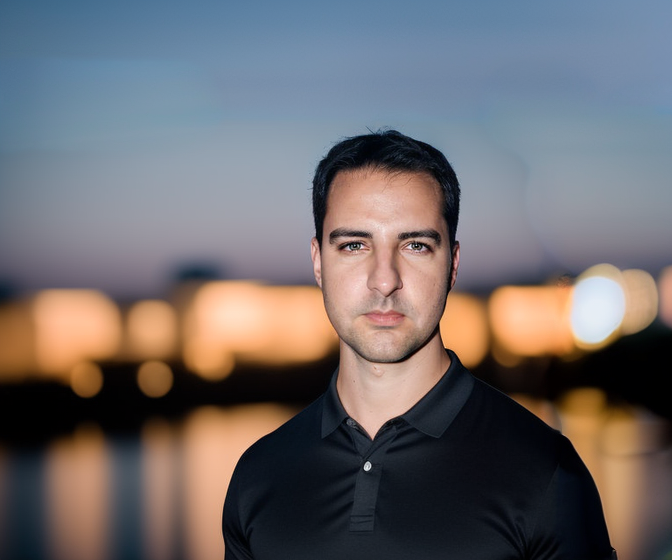
Dr Miguel Argibay £19,240
Faculty of Environmental and Life Sciences
Innovation grant
Evaluating the EBI-ADHD platform: An online RCT to assess evidence-informed decision making
Dr Nathan Brendish £19,027
Faculty of Medicine
Innovation grant
Differentiating between viral and bacterial infections in adults with respiratory illness using a novel quantitative MxA test: A diagnostic accuracy study

Dr Andrew Cumpstey £19,854
Faculty of Medicine
Innovation grant
Does oxygen during anaesthesia affect surgical stress responses and contribute to rates of post operative complications? First steps towards personalising oxygenation
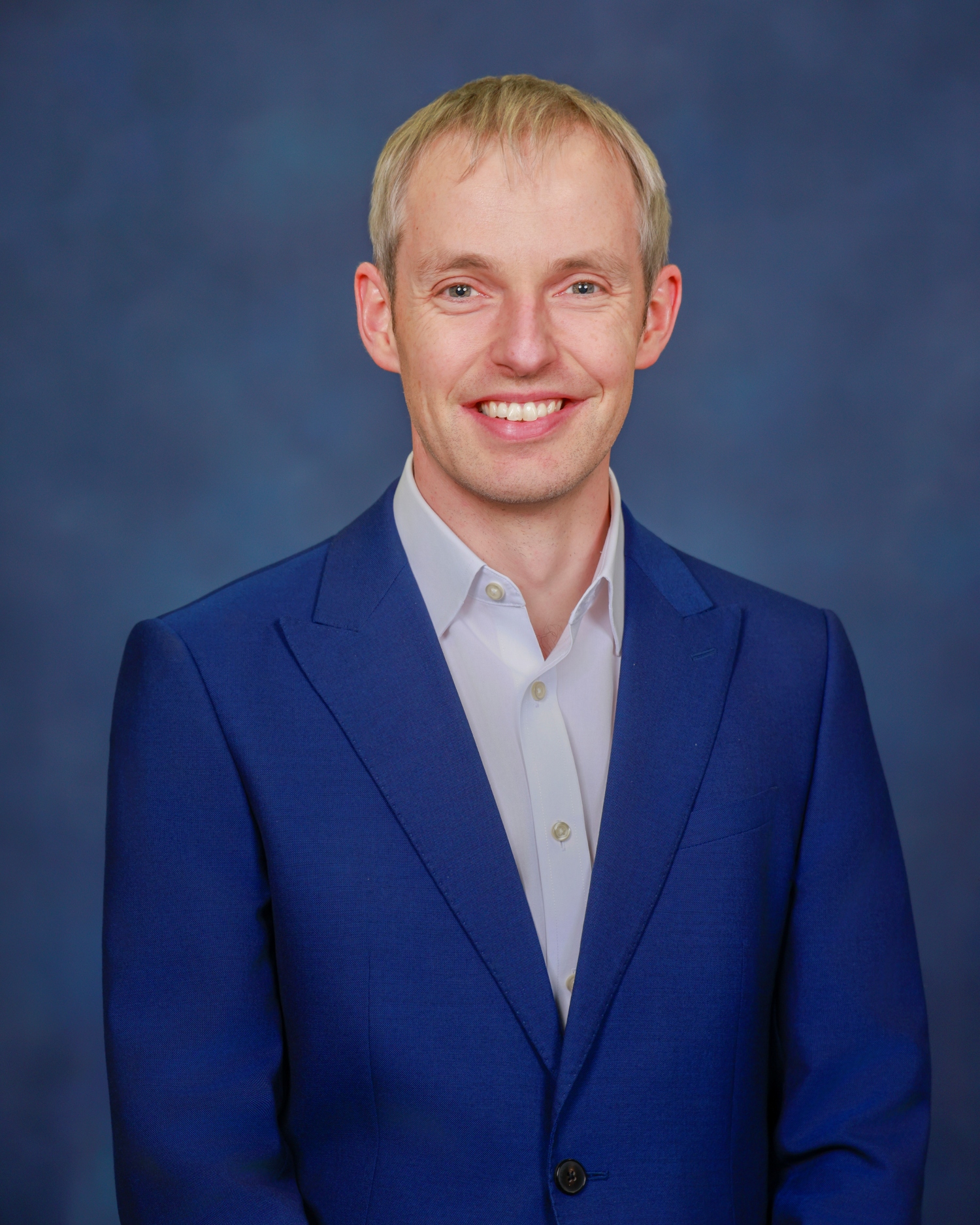
Dr Reuben de Dios Barranco £19,001
Faculty of Environmental and Life Sciences
Innovation grant
An organoid model to explore the impact of microplastics on the respiratory system in health and disease

Dr Leo Westbury £19,422
Faculty of Medicine
Innovation grant
Impact of obesity, type 2 diabetes and weight loss drugs on bone health: An observational study in UK Biobank

Dr Caglar Ozturk £50,499
Faculty of Engineering and Physical Sciences
PhD studentship jointly funded with a Tizard Studentship
Multimodal modelling of personalised haemodynamics in heart failure with preserved ejection fraction (HFpEF)
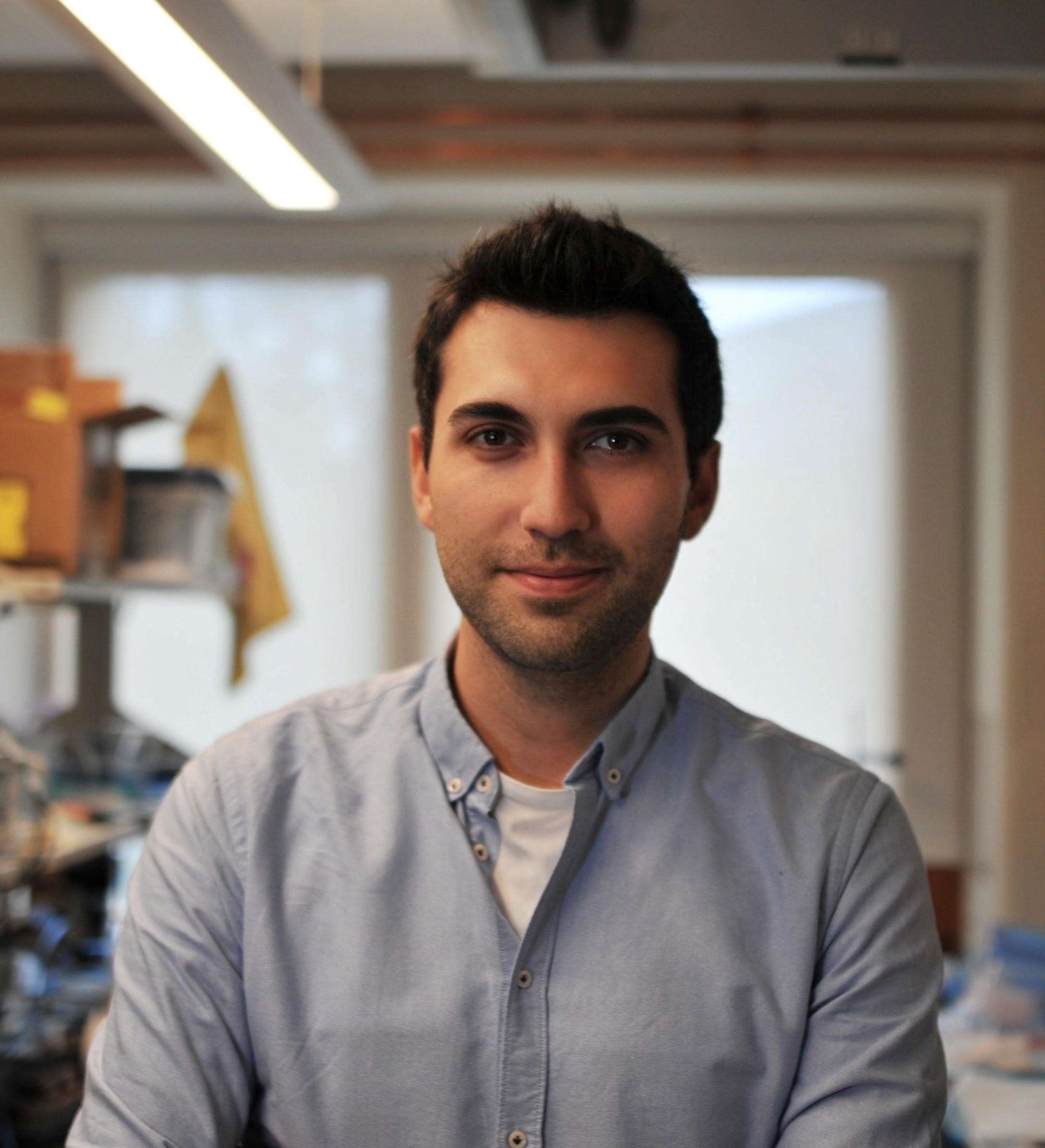
Dr Janos Kanczler (supervisor) £109,998
Faculty of Medicine
PhD studentship
Programmable coral scaffolds: Bioengineered platforms for stem cell-driven bone regeneration
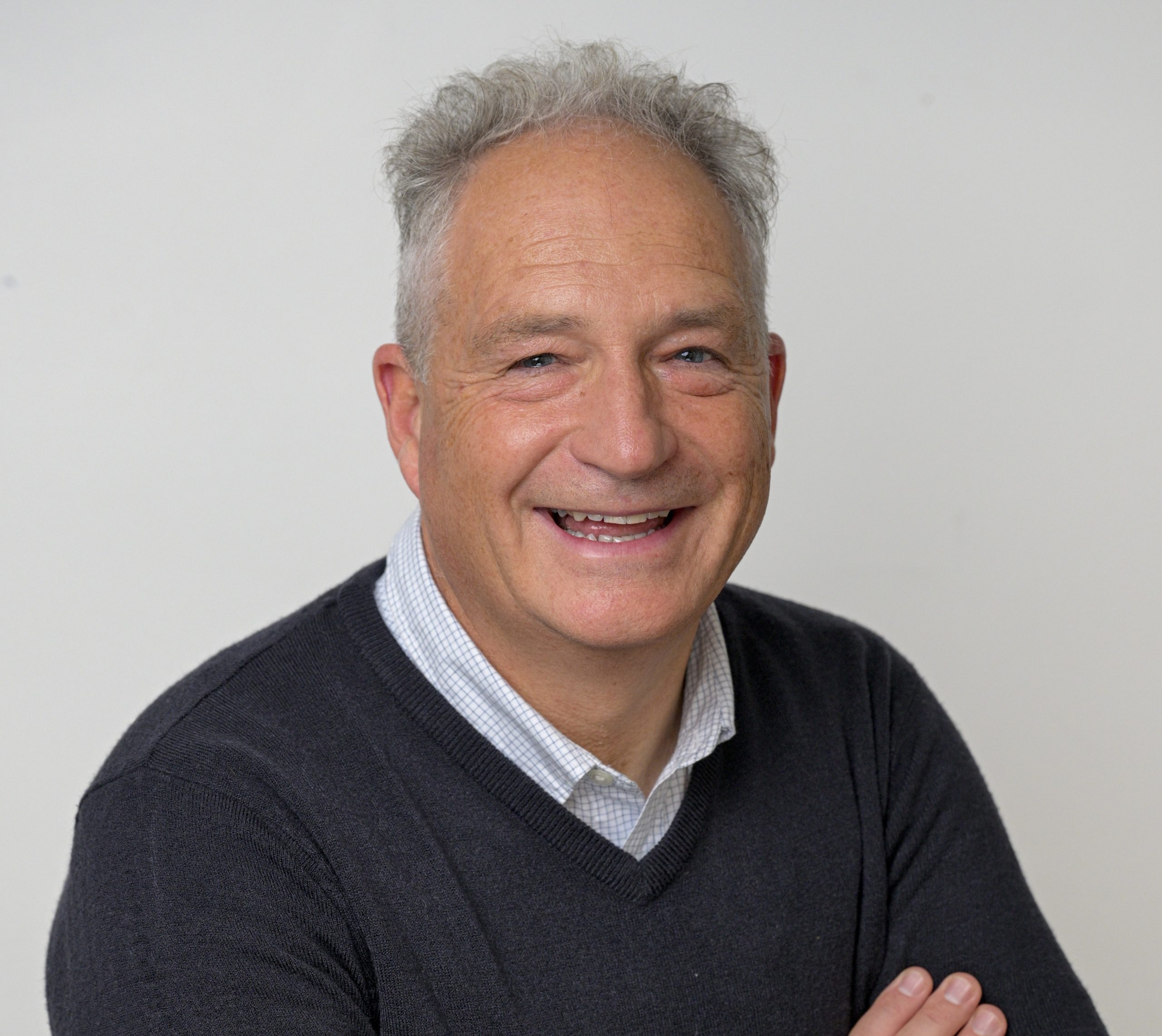
Dr Charles Birts (supervisor) £60,000
Faculty of Environmental and Life Sciences
PhD studentship jointly funded with the Centre for Cancer Immunology
Targeting obesity-induced therapy resistance in ER+ breast cancer using glucose-lowering drugs in a 3D model of obesity-associated inflammation

Dr Nela Nikolic (supervisor) £55,000
Faculty of Environmental and Life Sciences
PhD studentship jointly funded with Rosetrees Trust
Next-generation phage therapeutics for combatting antibiotic-resistant infections

2025
Dr Chengchen Zhang £17,000
Faculty of Engineering and Physical Sciences
Innovation Grant
Artificial swarm intelligence of microbeads for revolutionising biomarker detection

Dr Kif Liakath-Ali £19,965
Faculty of Environmental and Life Sciences
Innovation Grant
Investigating the role of FUS splice isoforms in human neurons and their implications in neurodegeneration

Dr Josh Bilson £18,450
Faculty of Medicine
Innovation Grant
Establishing a novel panel of biological ageing biomarkers for retrospective and prospective analysis – Southampton Ageing Biomarker Research (SABRE)
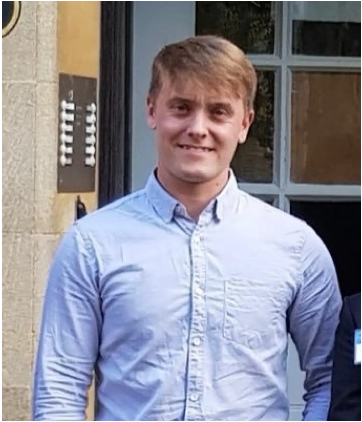
Dr Alison Hill £20,000
Faculty of Medicine
Innovation Grant
Developing a novel multi-parameter flow cytometric assay for immunophenotyping T-cells in controlled human infection models
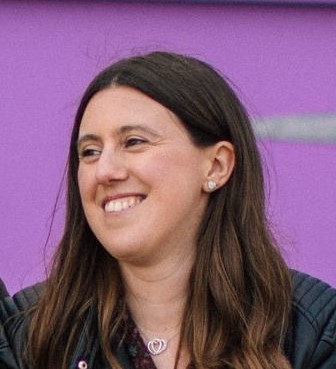
Dr Luis Guerra £17,544
Faculty of Environmental and Life Sciences
Innovation Grant
Evolutionary-driven discovery of novel agonists for the treatment of Alzheimer’s and Parkinson’s disease
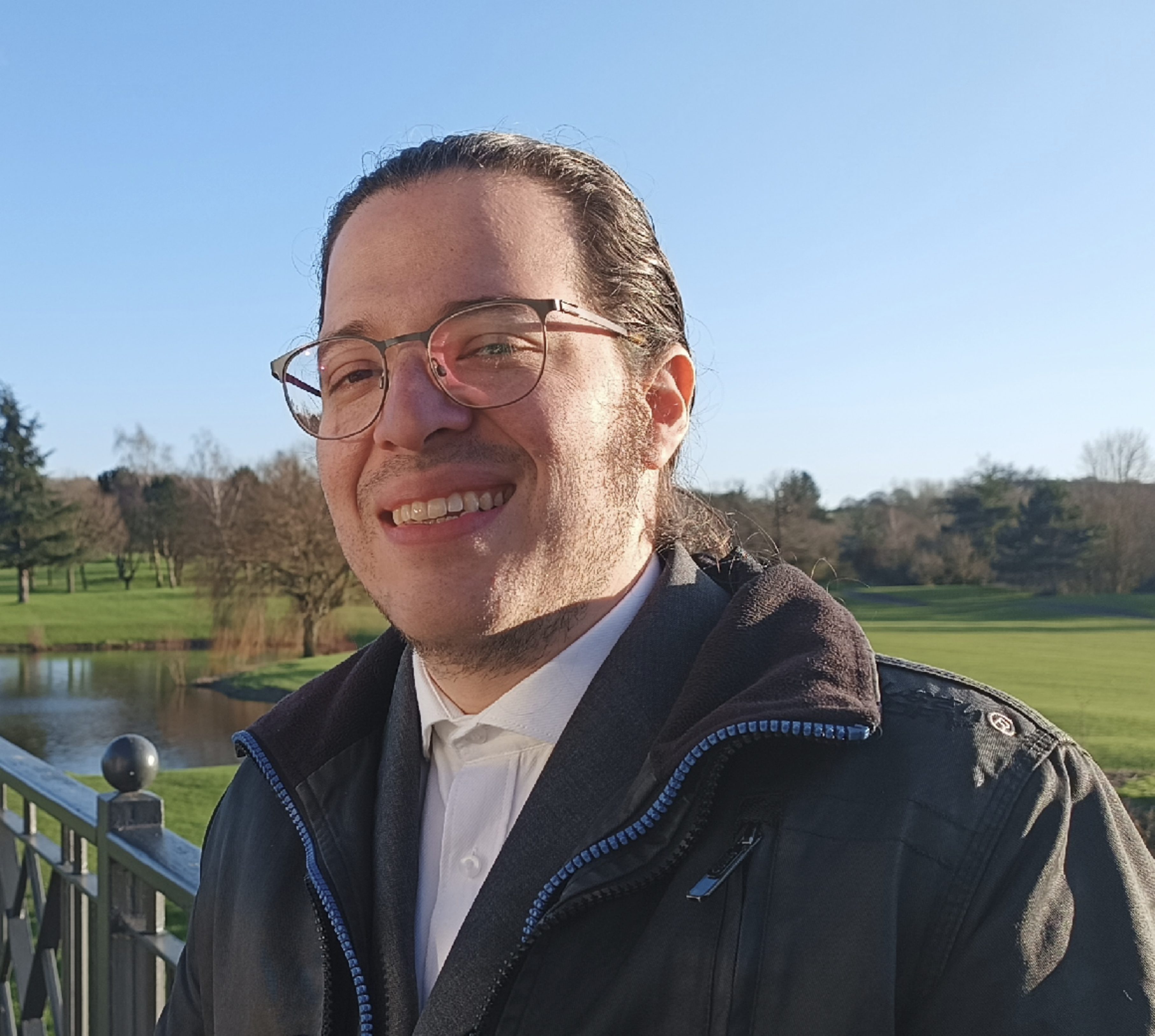
Dr Colleen Deane (supervisor) £109,985
Faculty of Medicine
PhD studentship
Identifying regulators of the GUT-muScle axis to improve muscle resilience across the lifecourse “GUTS"
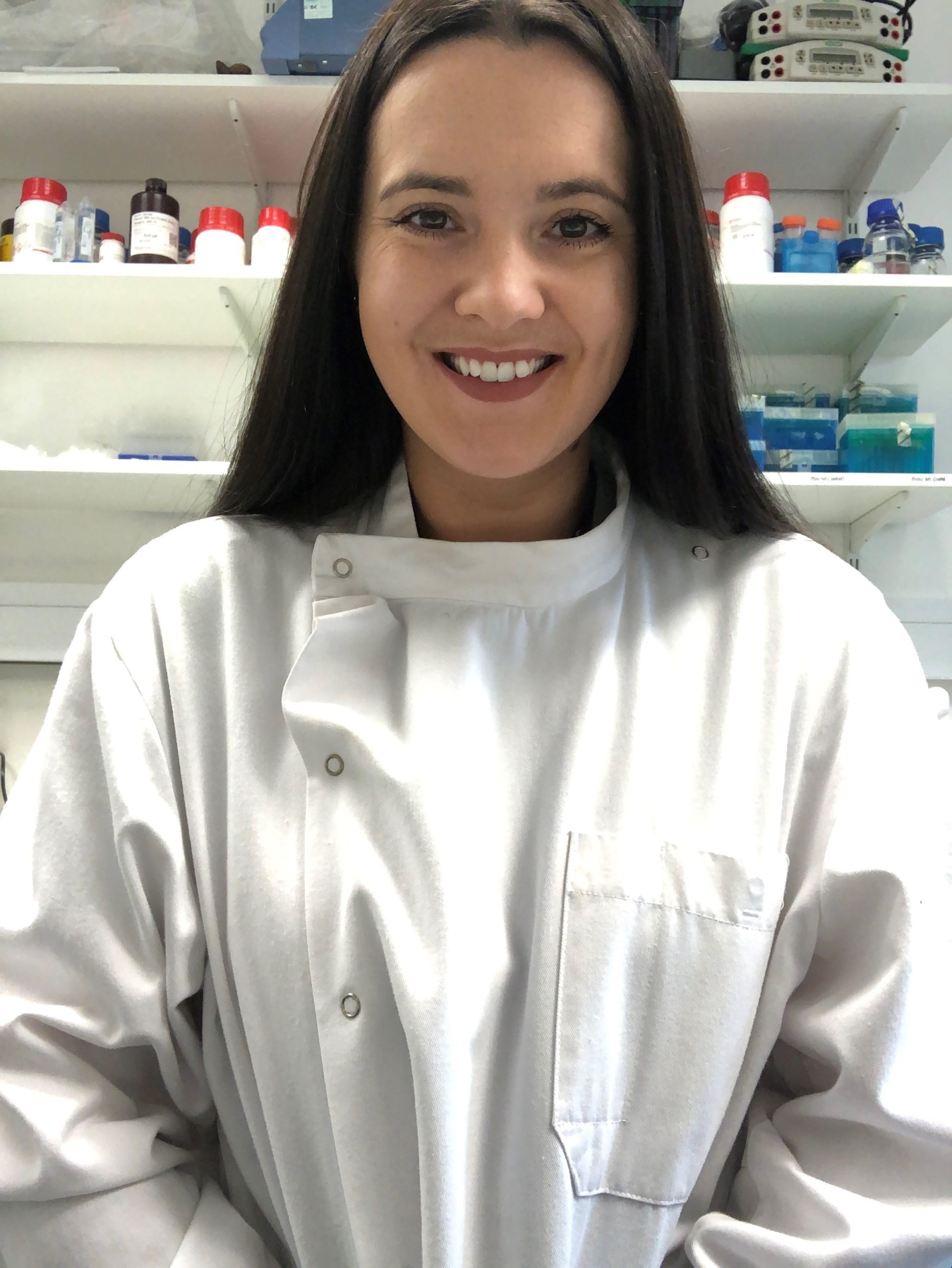
Dr Christopher Hanley (supervisor) £59,996
Faculty of Medicine
PhD studentship jointly funded with the Centre for Cancer Immunology
Investigating epithelial MHC-Class II expression and anti-tumour immunity in lung cancer

Dr Franchesca Houghton (supervisor) £55,000
Faculty of Medicine
PhD studentship jointly funded with Rosetrees Trust
Application of human pluripotent stem cell-derived chondrocytes to enhance articular cartilage repair
Dr Guido Maiello (supervisor) £109,945
Faculty of Environmental and Life Sciences
PhD studentship
Next generation ophthalmic testing: “Continuous Psychophysics" for rapid and user-friendly assessment of visual, movement and cognitive disorders
2024
Dr Matthew Blunt (supervisor) £110,000
Faculty of Medicine
PhD studentship
Spatial transcriptomic analysis of immune cell: Cancer cell interactions in a 3D lymph node model

Dr Tim Fenton (supervisor) £59,880
Faculty of Medicine
PhD studentship jointly funded with the Centre for Cancer Immunology
Establishing 3D culture model systems to study how inflammation subverts control of cell fate during carcinogenesis
Dr Emily Gwyer Findlay (supervisor) £53,988
Faculty of the Environment and Life Sciences
PhD studentship jointly funded with Rosetrees Trust
Investigating human T cell development in lymph nodes

Professor Mark Young (supervisor) £47,014
Faculty of Engineering and Physical Sciences
PhD studentship jointly funded with a Tizard studentship
Fatigue risk management in healthcare: A wake-up call

Dr Triana Amen £18,124
Faculty of Environmental and Life Sciences
Innovation Grant
Molecular regulation of peroxisome formation and function in Peroxisome Biogenesis Disorders

Dr Giorgia Chiodin £18,000
Faculty of Medicine
Innovation Grant
Investigating the consequences of immunoglobulin variable region N-glycosylation in Burkitt lymphone (BL)

Dr Ben Gaastra £20,000
Faculty of Medicine
Innovation Grant
The sphingosine-1-phosphate signalling pathway and ourcome after aneurysmal subarachnoid heamorrhage

Dr Carmen Jacob £20,000
Faculty of Medicine
Innovation Grant
Haemolysis in Multiple Sclerosis (HIMS) pilot study
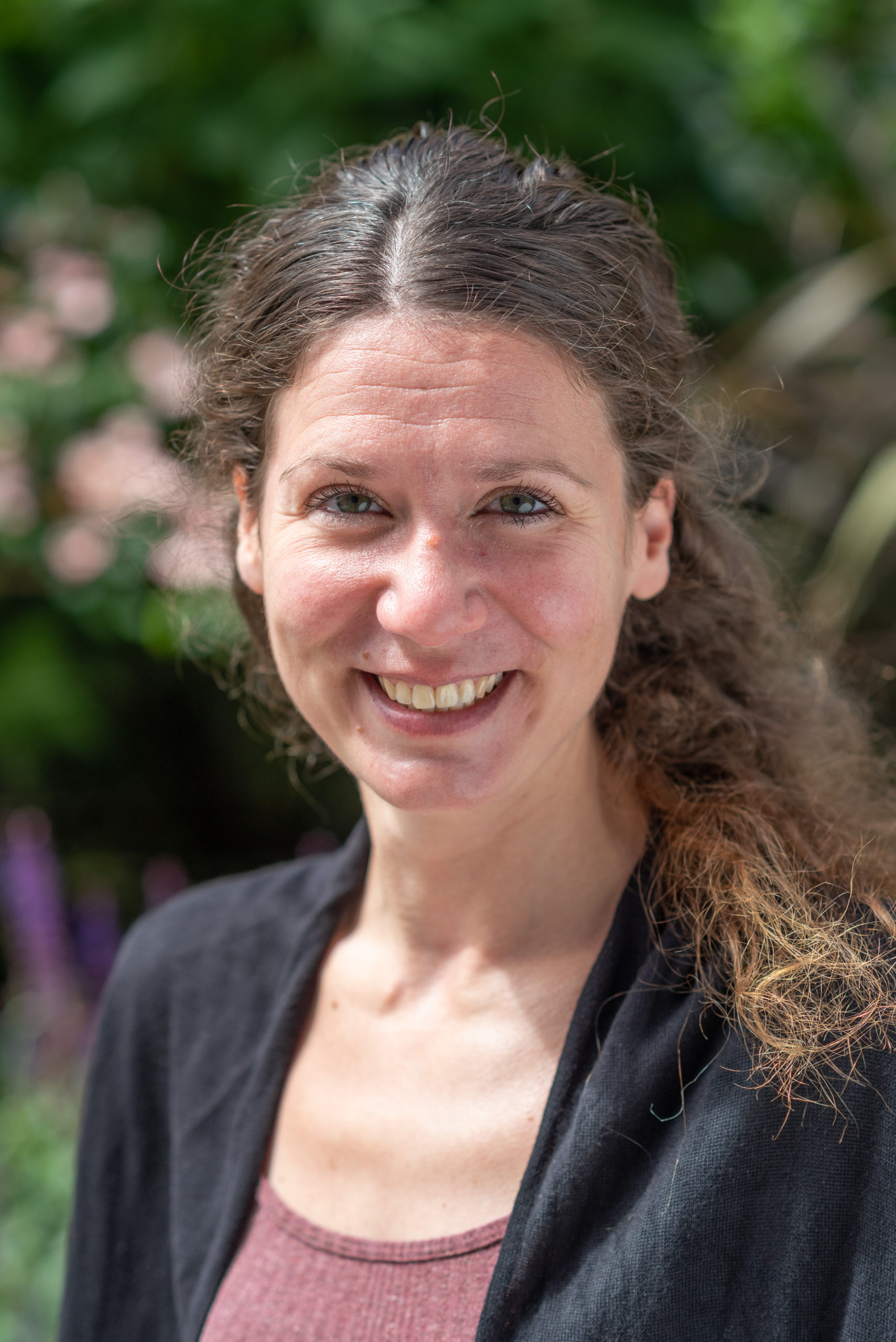
Dr Nela Nikolic £19,900
Faculty of Environmental and Life Sciences
Innovation Grant
Phage therapy to treat urinary tract infections
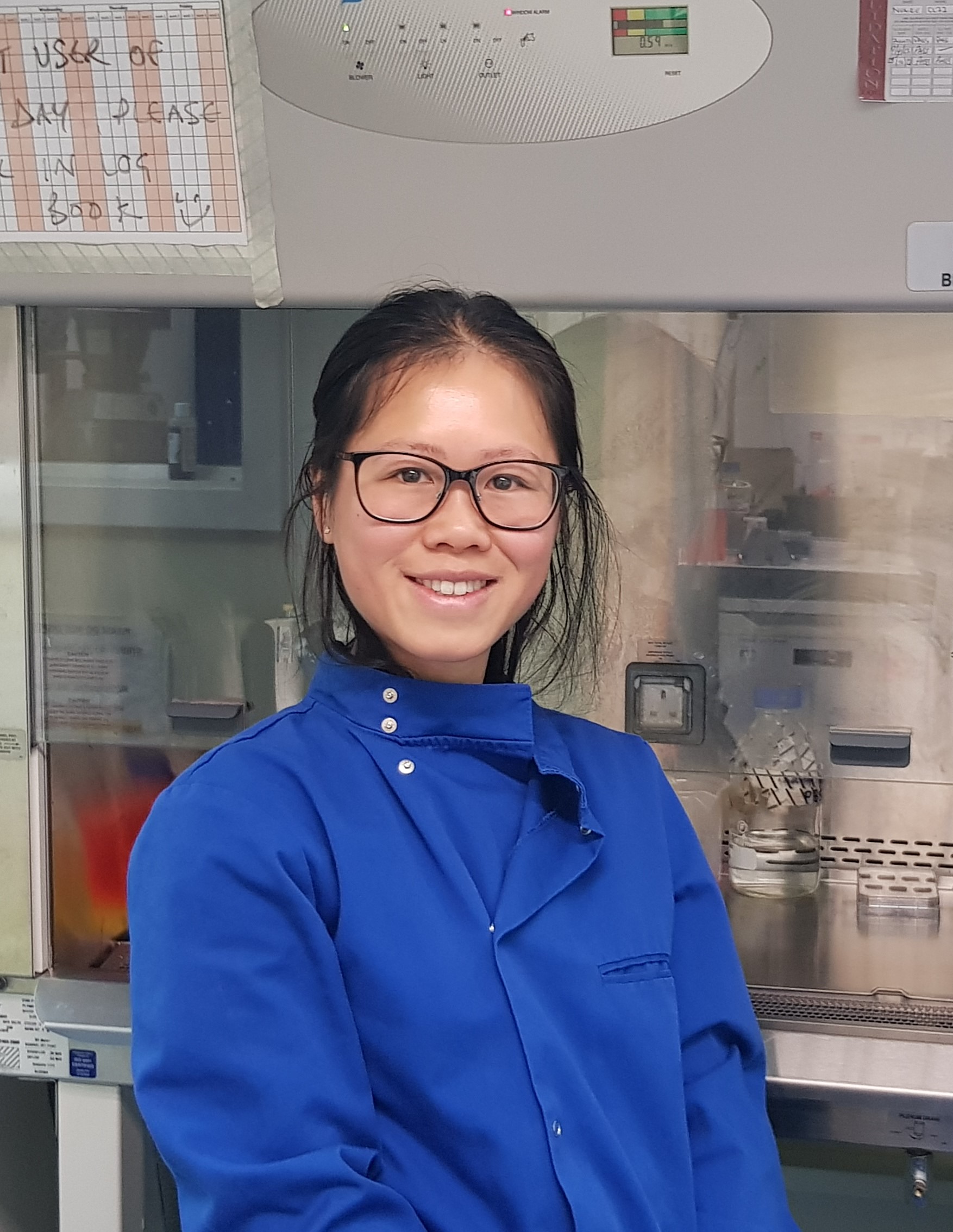
Dr Bonnie Ng £19,973
Faculty of Medicine
Innovation Grant
Using single cell RNA sequencing and proteomics to uncover novel immunotherapeutic targets for implantation disorders
2023
Dr Jane Cleal (supervisor) £50,000
Faculty of Medicine
PhD studentship jointly funded with Rosetrees Trust
Can endometrial gland structure and function help us understand why some women are more at risk of miscarriage than others?

Dr Jane Gibson (supervisor) £55,000
Faculty of Medicine
PhD studentship jointly funded with the Centre for Cancer Immunology
Investigating the genomic structure, regulation and function of the low affinity FCGR cluster to improve cancer immunotherapy

Professor Jonathan Swann (supervisor) £110,000
Faculty of Medicine
PhD studentship
Calculating neonatal biochemical age at the bedside to transform paediatric nutrition

Dr Ella Baker £15,100
Faculty of Medicine
Innovation Grant
Understanding the anti-inflammatory actions of pinolenic acid, a sustainable alternative to EPA and DHA

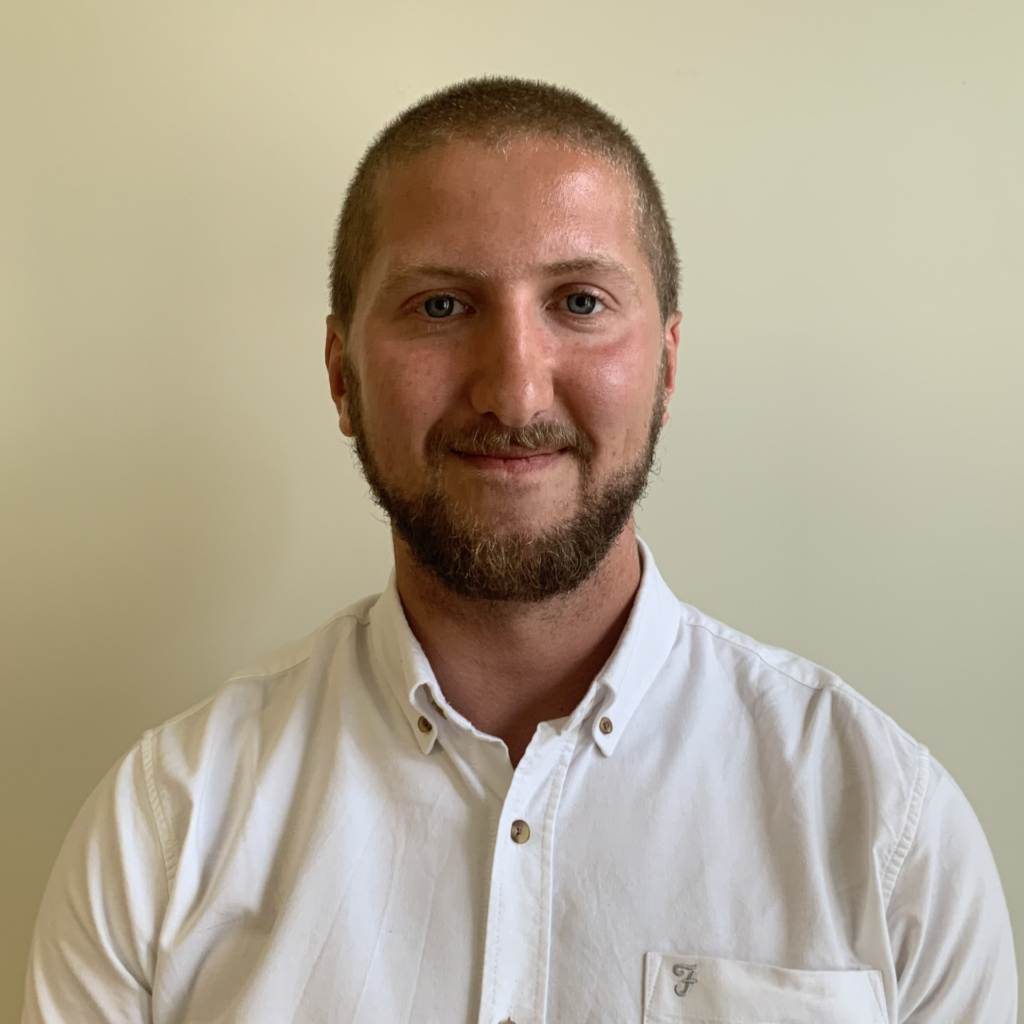
Dr George Williams £19,984
Faculty of Engineering and Physical Sciences
Innovation Grant
Polymer conjugates for advanced imaging and drug delivery to study and treat pancreatic ductal adenocarcenoma
Dr Colleen Deane £19,600
Faculty of Medicine
Innovation Grant
Using metabolomics to uncover novel biological markers of, and targeted nutritional interventions to offset, age-related musculoskeletal decline
Dr Jodie Ackland £19,878
Faculty of Medicine
Innovation Grant
Using triple RNASeq to investigate macrophage-bacterial-viral interactions during co-infection

Dr Ysobel Baker £19,785
Faculty of Engineering and Physical Sciences
Innovation Grant
A new class of RNA degrading therapeutic oligonucleotides

2022
Dr Juliet Gray (supervisor) £55,000
Faculty of Medicine
PhD studentship jointly funded with the Centre for Cancer Immunology
Enhancing anti-GD2 chemo-immunotherapy in pre-clinical neuroblastoma models

[Professor Karen Lillycrop] Dr Emma Garratt & Dr Mark Burton (supervisors) £31,386
Faculty of the Environment and Life Sciences
PhD studentship jointly funded with Rosetrees Trust
Identifying the causes of muscle stem cell aging and novel therapeutics strategies
Dr Yury Bogdanov (supervisor) £55,000
Faculty of Medicine
PhD studentship jointly funded with the Centre for Cancer Immunology
Deciphering the role of GABAergic signalling in tumour vascularization

2021
Dr Zöe Walters (supervisor) £50,000
Faculty of Medicine
PhD studentship jointly funded with Rosetrees Trust
Investigating the therapeutic efficacy of EZH2 inhibitors for the treatment of diseases with pathogenic histone modifying enzyme mutations.

2019
Dr Ali Roghanian (supervisor) £98,473
Faculty of Medicine
PhD studentship
The role of FcgRIIb in alpha-synuclein toxicity and propagation through the brain in Parkinson’s Disease